

In the modern day era of mass production and consumerism, the time period “Factory farm animal cruelty” has turn into synonymous with efficiency and affordability in the foods sector. Nonetheless, behind the partitions of these industrialized functions lies a dim reality of animal struggling and cruelty that typically goes unseen by the typical client.
Manufacturing unit farming, also recognized as industrial agriculture, is a method of intense animal farming that prioritizes large output and revenue margins more than the well-currently being of animals. In these facilities, animals are confined to cramped and unsanitary problems, typically unable to exhibit their normal behaviors or obtain proper nutrition and veterinary care.
1 of the most considerable concerns related with manufacturing facility farming is the extreme confinement of animals. Pigs, chickens, and cows are often housed in overcrowded and barren cages or pens, unable to go freely or engage in all-natural behaviors such as foraging or socializing. This confinement not only leads to actual physical soreness and stress but also will increase the probability of accidents and disease amongst the animals.
Furthermore, the use of antibiotics and expansion hormones is common in manufacturing facility farms to advertise rapid development and stop the spread of illness in such crowded conditions. cruelty farm on antibiotics has contributed to the rise of antibiotic-resistant micro organism, posing a critical threat to general public well being.
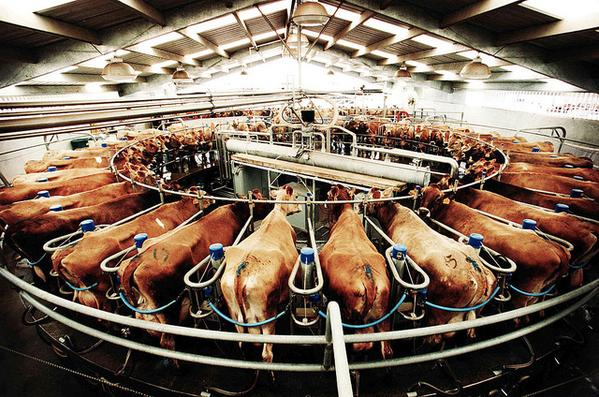
The program practices used in manufacturing unit farms also inflict immense suffering on animals. For example, in the egg sector, male chicks are deemed economically worthless and are usually discarded alive by the thousands every single working day, both by getting floor up alive or suffocated in plastic bags. Likewise, in the dairy industry, calves are separated from their moms soon right after birth, causing distress to the two the calf and the mother.
Possibly one particular of the most disturbing facets of manufacturing facility farming is the popular acceptance of cruel and inhumane remedy of animals as standard business techniques. Undercover investigations have revealed cases of employees kicking, beating, and even sexually abusing animals in these amenities. Regardless of these kinds of egregious acts of cruelty, perpetrators are not often held accountable due to inadequate oversight and enforcement of animal welfare regulations.
The environmental effect of Manufacturing unit farm animal cruelty can not be overlooked both. The intensive production of animal waste in these amenities prospects to air pollution of air, water, and soil, contributing to local weather change and ecological degradation. Moreover, the substantial intake of assets this sort of as drinking water and grain to feed livestock further strains worldwide food techniques and exacerbates concerns of food insecurity and inequality.
Regardless of these grim realities, there is hope for alter. Elevated consumer awareness and need for ethically sourced and sustainably created food merchandise have led to the rise of substitute farming techniques such as organic and natural farming, pasture-lifted livestock, and plant-primarily based choices to animal merchandise.
As buyers, we have the electricity to travel positive modify in the foodstuff industry by producing informed choices and supporting ethical and sustainable farming methods. By picking to boycott factory-farmed products and advocating for stronger animal welfare restrictions, we can assist alleviate the struggling of hundreds of thousands of animals and generate a more compassionate and sustainable foodstuff program for potential generations.