

Arab culture features a long and lively history. It is filled with rich traditions, art, music, and stories that have got reached people around the world. Nowadays, our view regarding Arab culture is usually largely shaped by media—movies, Shows, cultural media, and considerably more. How Arab traditions appears in press impacts how folks see and recognize the region. Regarding this reason, examining how media shows Arab culture, whether accurately or through stereotypes, is extra important than ever.
This article explores the journey of Arab culture in media today, its effect, and what the particular future holds.
The particular Evolution of Arab Culture Representation inside Media
Historical Context of Arab Mass media Portrayal
In the early days, media often painted Arab culture with an extensive brush. Western films and TV programs frequently showed Arabs as villains or stereotypes. Think about Artist films where Middle easterns are depicted since terrorists or oil-rich sheikhs. These portrayals fueled stereotypes and misunderstandings. Similarly, within some Eastern mass media, Arab characters had been often limited or perhaps exaggerated for enjoyment.
But the picture started changing after the 2000s. Together with the rise of social media and streaming platforms, extra voices from typically the Arab world commenced sharing their stories directly. Arab filmmakers, actors, and influencers gained prominence, demanding tired stereotypes. This particular digital shift opened up new doors for authentic stories.
Move from Stereotypes to Authentic Narratives
Whilst stereotypes persisted for decades, recent yrs have observed a drive for much more realistic, refined depictions of Arabic culture. Writers and creators now focus on showing Arab communities’ diversity, battles, and achievements. Authentic characters with degree and backgrounds are replacing one-dimensional images.
This shift isn’t just about increasing the diversity in stories. It’s about offering Arab voices control over their own narratives. Audiences now would like to see real life, not caricatures.
Important Milestones and Switching Points
Certain videos and TV sequence have played essential roles in modifying perceptions. For illustration, the Egyptian movie "Clash" (2016) acquired international praise for portraying the personal unrest in Egypt without stereotypes. The Palestinian series "Omar" broke ground together with its honest storytelling about conflict. Websites like Netflix nowadays offer shows just like "Ramy, " which usually presents a modern Muslim-American experience.
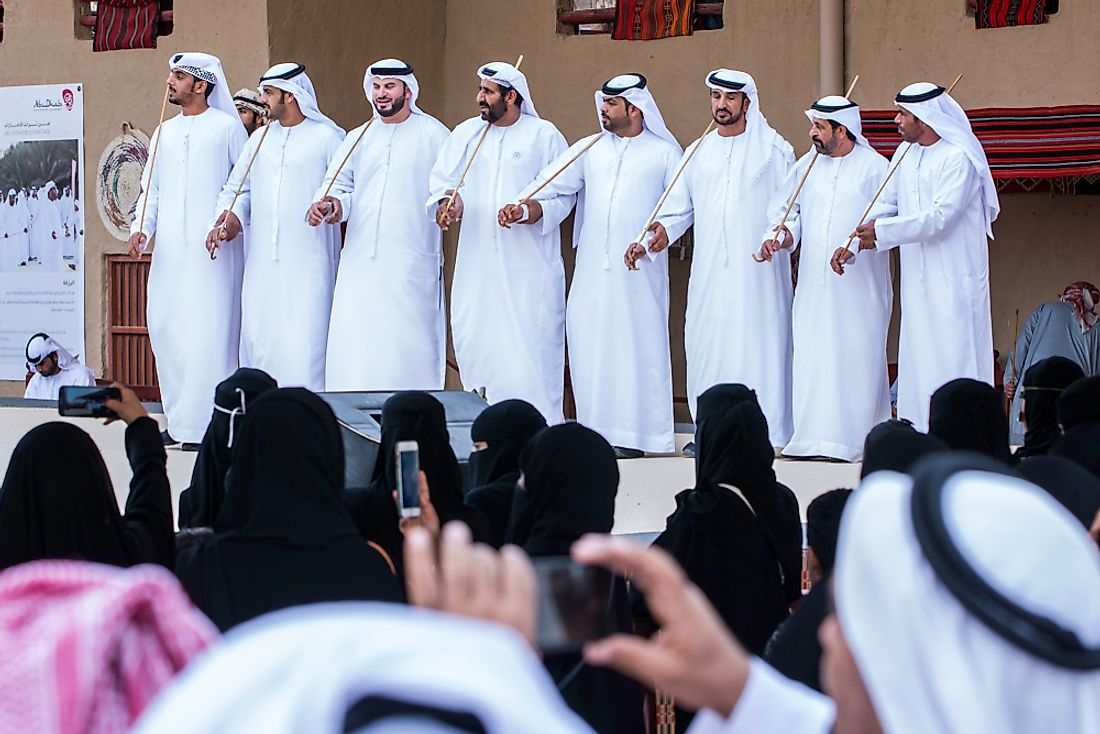
Arabic filmmakers like Nadine Labaki and Khaled Youssef have built waves by producing films that show off Arab lifestyles plus issues. this page proves that will
Arabic stories can be strong, relatable, and worldwide appealing.
Arab Tradition in Film and even Television
Representation associated with Arab Identity plus Stereotypes
Many videos and shows nonetheless rely on clichés. Arabs are often shown as wealthy sheikhs, terrorists, or even oppressed women. These types of images aren’t correct in most of Arabic communities. However, inventors are pushing back again against these stereotypes.
Today, we see Arab characters with complex personalities—people together with dreams, flaws, and strengths. These testimonies paint a much more truthful picture of Arabic identity, wearing down misguided beliefs.